
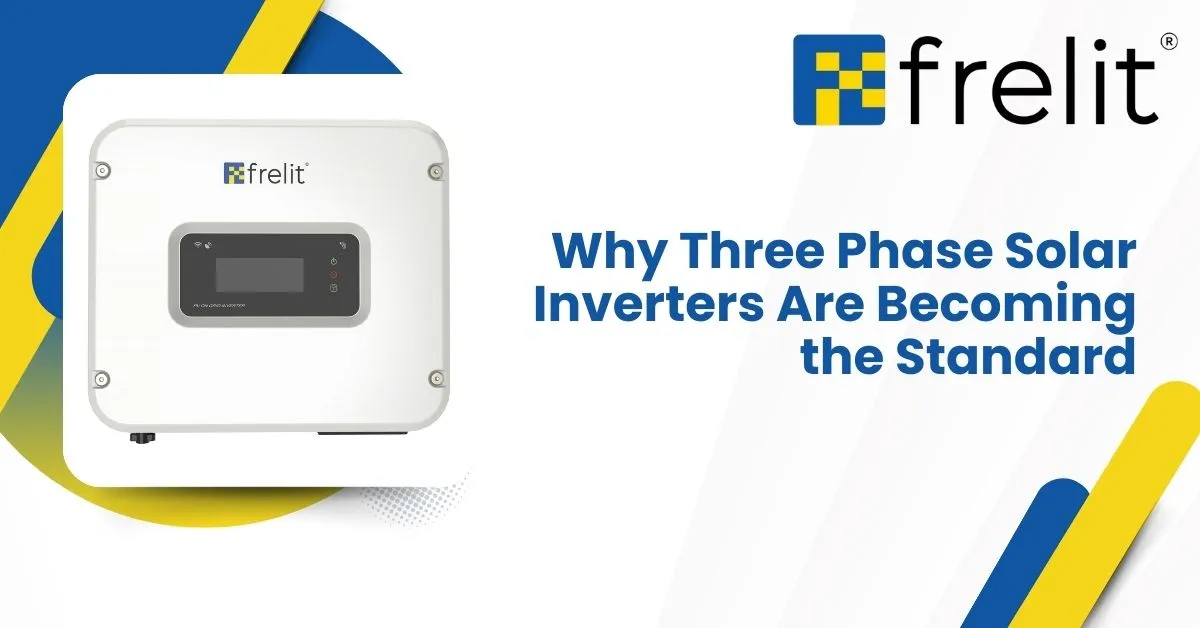
Solar power adoption is growing rapidly across residential, commercial, and industrial sectors. As energy needs increase, more users are shifting toward advanced inverter technology to ensure reliable and efficient performance. Today, Three Phase Solar Inverters are becoming the preferred choice because they offer higher efficiency, better grid compatibility, and improved support for modern power demand. This blog explores why three-phase systems are replacing traditional single-phase inverters and why they are becoming the new standard.
What Are Three Phase Solar Inverters?
As solar technology advances, many installers and users are switching to smarter and more powerful systems, and Three Phase Solar Inverters play a major role by converting DC power into AC across three electrical phases. These inverters help deliver smoother power, balanced energy loads, and stable performance even during peak demand.
Three-phase inverters are designed for both high-consumption households and industries where appliances, machinery, and EV charging stations require stable and uninterrupted power. Their ability to handle larger capacities makes them ideal for the future of solar installations.
How Three Phase Solar Inverters Work
Many solar systems rely on efficient power conversion, and Three Phase Solar Inverters ensure that generated solar energy is distributed evenly across three phases for optimal performance. They use advanced MPPT (Maximum Power Point Tracking) technology to extract maximum energy from solar panels while maintaining grid stability.
Unlike single-phase inverters, three-phase systems prevent voltage drops, reduce fluctuations, and optimize performance—especially when connected to smart grids or net metering programs.
Why Three Phase Solar Inverters Are Becoming the Standard
As solar technology evolves and energy demands continue to rise, Three Phase Solar Inverters are becoming the standard because they offer higher efficiency, better load handling, and improved grid stability compared to traditional single-phase systems.
Higher Energy Efficiency
Modern solar owners expect maximum output, and Three Phase Solar Inverters deliver higher conversion efficiency with minimal energy loss. Their optimized design ensures consistent output even under high loads.
Ideal for Heavy Loads
Large homes and industries rely on equipment like air conditioners, motors, pumps, and EV chargers. This is where Three Phase Solar Inverters excel, handling heavy loads without overheating or performance dips.
Better Grid Compatibility
More users are connecting to net metering and smart grids, and Three Phase Solar Inverters support seamless synchronization. They maintain voltage stability and reduce disturbances, making power supply more consistent.
Improved Safety & System Stability
Safety features matter in every installation, and Three Phase Solar Inverters are built with protection systems that prevent overloads, short circuits, voltage spikes, and overheating.
Future-Proof Energy Solution
With the rise of energy storage, EV charging, and smart home adoption, Three Phase Solar Inverters are future-ready. They support hybrid upgrades, battery backup, and IoT-based monitoring.
Three Phase vs Single Phase Solar Inverters
| Feature | Three Phase Solar Inverters | Single Phase Inverters |
|---|---|---|
| Load Handling | Heavy | Limited |
| Energy Efficiency | Higher | Moderate |
| Grid Stability | Excellent | Less Stable |
| Best Use Case | Large Homes, Commercial, Industrial | Small Homes |
| Future Compatibility | Hybrid & Storage Ready | Limited |
Where Three Phase Solar Inverters Are Used Today
Modern power needs are evolving quickly, and Three Phase Solar Inverters are now widely installed in:
- Large residential homes with high consumption
- Commercial buildings, malls, and offices
- Industrial plants and factories
- EV charging stations and powered workshops
- Smart grid and solar storage systems
These setups demand stable electricity, making three-phase systems the ideal option.
Want smoother power delivery, higher efficiency, and better solar performance?
Contact us today to get expert guidance on choosing the right three-phase inverter.
Cost vs Value: Are They Worth It?
Many buyers compare cost before choosing a system, and Three Phase Solar Inverters may have a higher upfront cost. However, they provide long-term value by delivering:
- Lower electricity bills
- Higher solar energy usage
- Reduced maintenance
- Better long-term system reliability
The return on investment (ROI) is significantly higher compared to single-phase setups.
Installation Tips & Best Practices
Proper planning ensures long-term performance, and Three Phase Solar Inverters should always be installed with:
- Correct cable sizing and grounding
- Well-ventilated mounting locations
- Accurate load balancing
- Monitoring dashboard setup
A certified installer should ensure wiring safety and compliance with local regulations.
Maintenance Tips to Extend System Lifespan
Cleanliness and updates improve performance, and Three Phase Solar Inverters stay efficient with:
- Regular solar panel cleaning
- Software and firmware updates
- Checking surge protection devices
- Annual technical inspection
This ensures high power output and longer operational life.
Frequently Asked Questions
What makes Three Phase Solar Inverters better than single-phase?
They provide better efficiency, smoother power delivery, and support higher electrical loads.
Are Three Phase Solar Inverters suitable for homes?
Yes, they are ideal for larger homes with high energy consumption or EV charging needs.
Do Three Phase Solar Inverters support battery storage?
Most modern models are hybrid-ready and compatible with battery storage systems.
Are they more expensive than regular inverters?
Yes initially, but they offer better long-term savings, efficiency, and performance.
Do they improve grid stability?
Yes, they support balanced power distribution and reduce voltage fluctuations.
Conclusion
The demand for efficient, powerful, and future-ready solar systems continues to grow, and Three Phase Solar Inverters are becoming the standard due to their superior performance, grid compatibility, and long-term value. Whether for large homes, commercial buildings, or industrial operations, three-phase inverters provide the stability and efficiency required for modern energy needs.