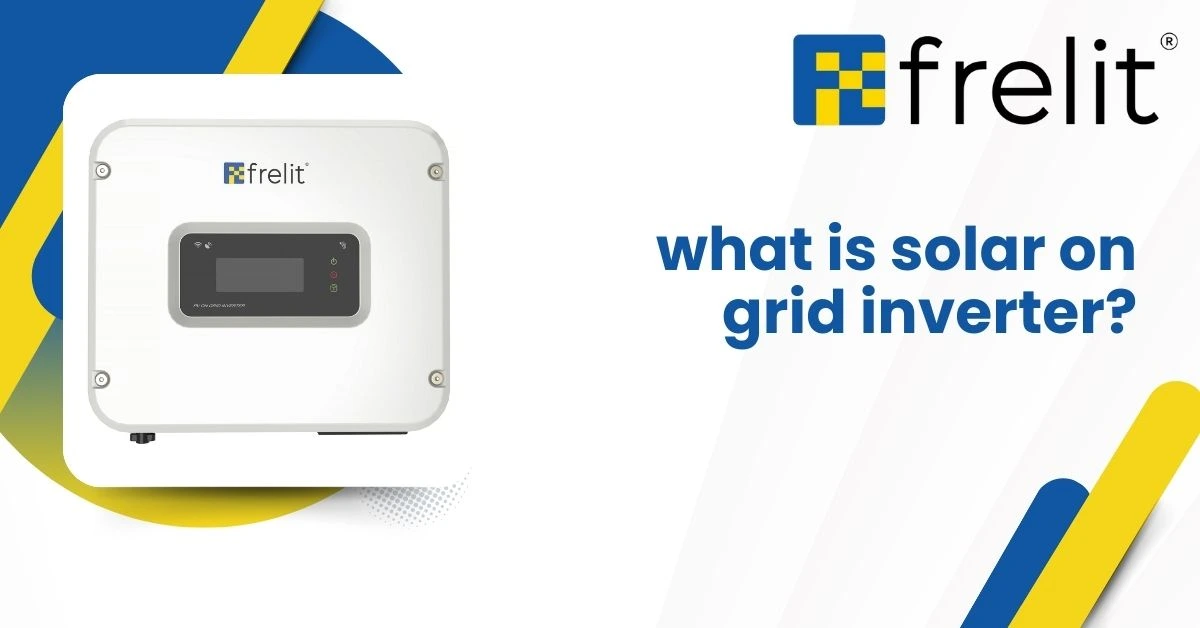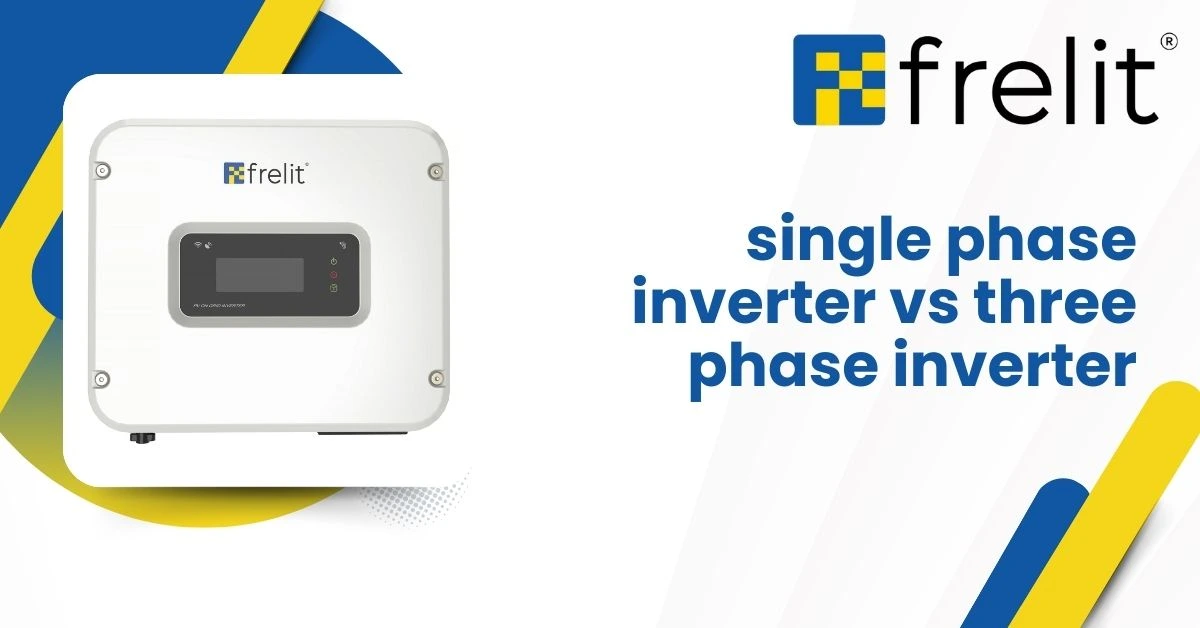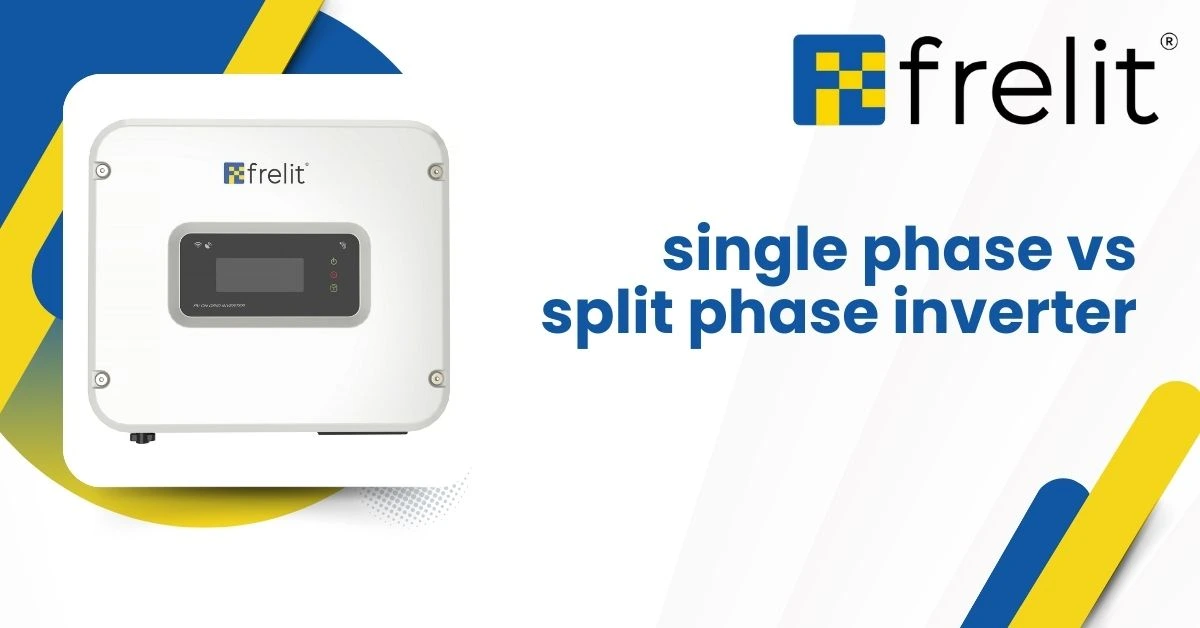


Modern homes, small offices, and rooftop solar systems depend heavily on reliable inverter technology for stable and uninterrupted power. As energy needs evolve, homeowners are increasingly looking for efficient, long-lasting solutions, which is why single phase on-grid inverters play a major role in maintaining smooth and consistent electricity supply even during voltage fluctuations or outages.
Key Features to Look for in a Single-Phase Inverter
Choosing an inverter becomes much easier when you understand the core features. Each feature contributes to performance, safety, and long-term value, making single phase on-grid inverters one of the most preferred solutions for homeowners today.
Output Waveform Quality
The output waveform determines how safely your appliances operate. Pure sine wave inverters mimic grid-quality electricity, giving sensitive devices clean and stable power. This is important because single phase on-grid inverters deliver smoother output that protects electronics, reduces heat, and prevents internal damage over time.
Power Rating & Load Capacity
Before buying an inverter, calculate the total wattage of the appliances you want to run together. Choose a model with at least 20–30% extra margin for surge loads such as refrigerators or pumps. Since single phase on-grid inverters are designed to handle both continuous and peak loads efficiently, they offer better performance and reliability during high-demand periods.
Energy Conversion Efficiency
Inverter efficiency is the percentage of DC power converted into usable AC power. Higher efficiency means lower energy loss and greater system output. This matters because high-efficiency single phase inverters allow homeowners to make better use of battery storage and solar energy, reducing operating costs and improving overall power quality.
Battery Compatibility & Smart Charging
A good inverter should support multiple battery types—lead-acid, tubular, VRLA, and lithium-ion. Smart charging modes extend battery life through optimized charging cycles. This flexibility is why lithium-ready single phase inverters are becoming popular, offering advanced charging algorithms that maintain battery health across various usage conditions.
MPPT or PWM Technology
MPPT technology is superior for solar because it continuously tracks and optimizes the panel voltage and current. This ensures maximum energy harvesting even during cloudy or low-light conditions. For this reason, MPPT single phase solar inverters deliver significantly higher efficiency than PWM models, making them ideal for modern rooftop solar systems.
Safety & Protection Features
Inverters must include strong protection mechanisms to ensure safe operation. Look for overload protection, thermal shutdown, reverse polarity protection, short-circuit protection, and voltage regulation. These safeguards are essential because single phase on-grid inverters operate in fluctuating environments and need built-in defense systems to prevent damage to both the inverter and connected appliances.
Build Quality & Durability
A durable inverter prevents overheating, resists corrosion, and ensures stable long-term performance. Well-designed models use strong enclosures, proper ventilation, and quality components. This is why premium single phase inverters often last longer—they are engineered with better heat dissipation and structural robustness suited for diverse climates.
Noise Level & Cooling System
Noise level matters, especially if the inverter is installed near living areas. Fan-cooled inverters tend to make more sound under heavy loads, while passive-cooled designs operate more quietly. This balance is important because low-noise single phase inverters provide a smoother experience for homeowners who require quiet indoor environments.
Smart & Connected Features
Smart inverters allow real-time monitoring of load, battery status, input voltage, and solar generation through a mobile app or cloud platform. These features help users manage their energy more efficiently. As a result, smart Wi-Fi single phase inverters are increasingly preferred for their convenience, remote access, and advanced data analytics.
Price-to-Performance Ratio
While cost is always a consideration, long-term value matters more. Look for balance—good specifications, durability, efficiency, and warranty support. This approach ensures that single phase on-grid inverters offer maximum return on investment without compromising on performance or safety.
Important Features in Single-Phase Inverters
| Feature | Why It Matters | What to Look For |
|---|---|---|
| Output waveform | Protects sensitive devices | Pure sine wave |
| Power rating & load | Runs all desired appliances | 20–30% above total wattage |
| Efficiency | Low energy loss | 90–98% |
| Battery compatibility | Flexibility for upgrades | Lead-acid + Lithium support |
| Charging system | Battery lifespan | Multi-stage smart charging |
| Solar controller | Maximum solar output | MPPT |
| Safety features | Appliance & system protection | Overload, thermal, short-circuit |
| Noise & cooling | Comfort & performance | Low-noise design / smart cooling |
| Smart features | Remote monitoring | App/Wi-Fi connectivity |
| Warranty & support | Long-term reliability | 2–5 years or more |
How to Choose the Best Single-Phase Inverter
Choosing the right inverter becomes simpler when you understand load needs, usage type, and budget. This makes single phase on-grid inverters an excellent option for both solar and non-solar households looking for efficient and reliable backup solutions.
Identify Total Power Needs
Add up the wattage of all appliances you plan to run, then choose an inverter with additional capacity. This ensures you avoid overload situations while ensuring that single phase inverters for home work efficiently without strain.
Consider Solar vs Non-Solar Requirements
Solar-ready models support MPPT controllers and net metering, while regular models focus on stable power backup. If you’re planning solar in the future, then single phase on-grid inverters give you the flexibility to upgrade without replacing your inverter system.
Have questions about choosing the best single-phase inverter?
Contact us now and our specialists will help you make the perfect choice.
Evaluate Long-Term Value
Higher efficiency, strong protections, and longer warranties add value over time. This is one reason why high-performance single-phase inverters are often recommended—they offer better durability and lower total ownership cost.
Compare Warranty & Service Support
After-sales support is essential. A strong warranty and accessible service network make single phase on-grid inverters more dependable, especially for households relying heavily on backup power.
Top Benefits of Modern Single-Phase Inverters
Modern inverter technology has improved drastically, offering homeowners cleaner power, improved efficiency, and smarter features. Because of this, advanced single phase on-grid inverters provide a more reliable, energy-efficient experience for daily use.
- Higher efficiency and reduced power loss
- Smooth, grid-like output
- Improved battery life through smart charging
- Real-time monitoring and remote access
- Quiet and durable operation
Frequently Asked Questions
What is a single-phase inverter and how does it work?
A single-phase inverter converts DC power from batteries or solar panels into AC power used by household appliances. This makes single phase on-grid inverters ideal for home use because they deliver smooth, reliable output.
What features should I look for in a single-phase inverter?
Focus on pure sine wave output, efficiency, load capacity, battery compatibility, MPPT technology, safety protections, and smart features offered by single phase inverters.
What efficiency range is considered good for an inverter?
Look for models offering 90–98% efficiency, especially when choosing single phase solar inverters for rooftop systems.
Why is pure sine wave better?
A pure sine wave inverter protects sensitive electronics by delivering clean power. This stability is why pure sine single phase inverters are recommended for household use.
What is MPPT and why is it important?
MPPT technology maximizes solar energy extraction by adjusting voltage and current in real time. This is why many experts prefer MPPT single phase solar inverters for higher energy production.
Conclusion
Choosing the right inverter ensures long-term safety, efficiency, and reliability for your home or solar setup. By focusing on key features such as waveform quality, MPPT technology, battery compatibility, safety features, and smart connectivity, homeowners can make confident decisions. This is why single phase on-grid inverters remain a top choice—they combine modern technology with user-friendly design to deliver excellent performance.