

As industries, factories, and large commercial units move toward sustainable energy, three phase solar inverters have become the backbone of high-capacity power systems. These inverters efficiently handle heavy electrical loads, ensuring smooth performance, reduced energy costs, and consistent power supply.
If your facility operates heavy machinery or relies on continuous power, investing in a three phase solar inverter is a smart and cost-effective move. Let’s explore how these inverters work, their advantages, and why they’re the top choice for industrial solar setups.
What is a Three Phase Solar Inverter?
A three phase solar inverter is a type of solar inverter designed to convert DC (Direct Current) generated by solar panels into AC (Alternating Current) distributed evenly across three electrical phases. Unlike single-phase systems, they ensure balanced voltage and smooth current flow, making them ideal for industrial and commercial environments.
These inverters can manage high-load applications, such as manufacturing plants, large warehouses, data centers, and production facilities.
Why Choose a Three Phase Solar Inverter for Heavy Loads?
Industries demand stable, uninterrupted, and efficient power. A three phase solar inverter offers exactly that — balancing the electrical load across all phases while maximizing system efficiency.
Here’s why they’re perfect for heavy loads:
- High Efficiency: Converts solar energy with over 98% efficiency, reducing losses during power conversion.
- Load Balancing: Distributes power evenly across three phases, preventing equipment overload.
- Cost Savings: Reduces dependency on the grid and lowers electricity costs significantly.
- High Capacity: Handles industrial-scale solar systems up to hundreds of kilowatts.
- Sustainability: Promotes clean energy use and helps industries meet ESG (Environmental, Social, and Governance) goals.
Single-Phase vs ThreePhas–e Solar Inverters
| Feature | Single Phase Inverter | Three Phase Inverter |
|---|---|---|
| Power Handling Capacity | Up to 10 kW | 10 kW – 500 kW+ |
| Suitable Applications | Homes, small offices | Industries, factories |
| Efficiency Rate | 94% – 96% | 97% – 99% |
| Load Management | Limited | Excellent |
| Cost | Lower | Higher (but better ROI) |
| Backup Compatibility | Optional | Advanced hybrid options |
Key Features of Three Phase Solar Inverters
Modern three phase solar inverters come with advanced technologies that enhance performance and reliability.
- Smart Monitoring System: Real-time tracking through apps or web portals.
- MPPT (Maximum Power Point Tracking): Optimizes solar panel output for maximum energy yield.
- Grid Synchronization: Seamless integration with on-grid systems.
- Safety Protections: Overload, short-circuit, and surge protection.
- Wi-Fi and Remote Access: Enables performance monitoring and fault alerts.
Need a reliable three phase solar inverter for your factory or plant? Contact us for customized solutions, expert installation, and guaranteed performance.
Applications of Three Phase Solar Inverters
Three phase solar inverters are widely used in industries where power demand is high and continuous.
Some common applications include:
- Manufacturing Units
- Warehouses and Logistics Centers
- Commercial Buildings
- Hospitals and Educational Institutions
- Agricultural Processing Units
- Data Centers and IT Facilities
Benefits of Using Three Phase Solar Inverters for Heavy Loads
Here’s how these powerful inverters transform energy consumption for industrial users:
1. Energy Cost Reduction: Lower monthly electricity bills by utilizing solar energy efficiently.
2. Enhanced Power Stability: Eliminates fluctuations that can harm sensitive industrial equipment.
3. Long-Term Savings: High ROI with minimal maintenance.
4. Eco-Friendly Operations: Reduces carbon footprint and meets sustainability targets.
5. Scalability: Ideal for expanding businesses that need to increase load capacity in the future.
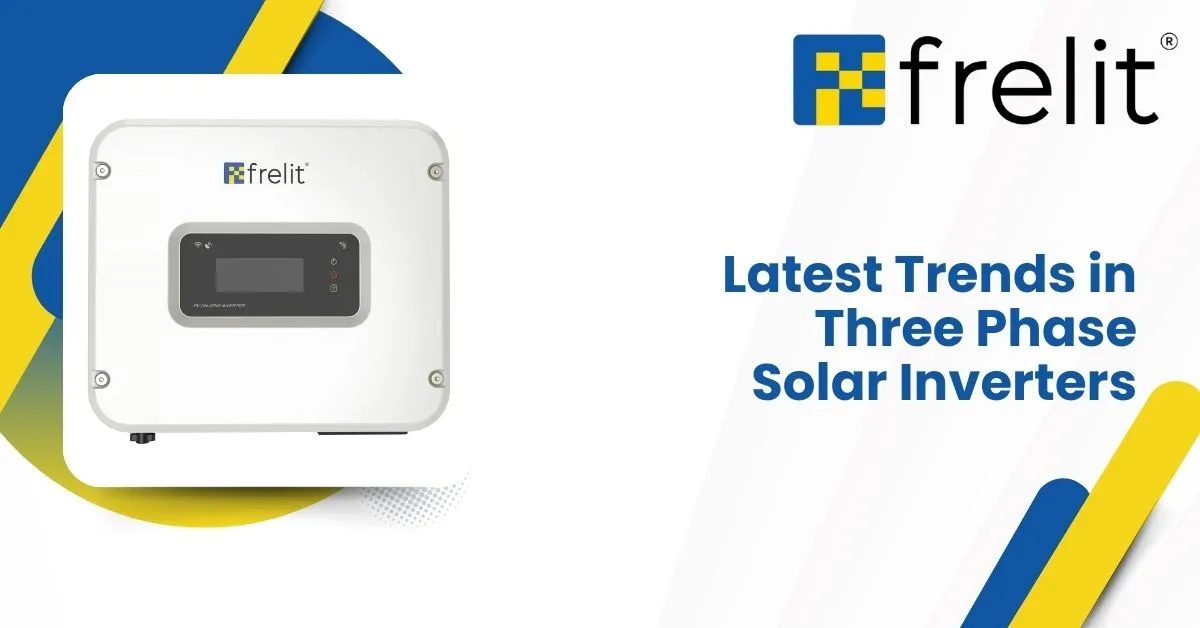
Latest Trends in Three Phase Solar Inverters
The solar energy market in 2025 is witnessing technological advancements that make three phase inverters smarter and more efficient.
- AI-Based Monitoring Systems for predictive maintenance.
- IoT Integration enabling remote diagnostics and system control.
- Hybrid Solar Inverters combining grid-tied and battery storage.
- High MPPT Accuracy for maximum solar power generation.
- Improved Cooling Systems extending inverter lifespan.
These innovations ensure better performance and sustainability for industrial-scale solar setups.
Three Phase Solar Inverter Price in India 2025
The cost of three phase solar inverters in India (2025) depends on power capacity, features, and brand.
Here’s an approximate pricing range:
- 10 kW to 20 kW → ₹80,000 – ₹1,50,000
- 25 kW to 50 kW → ₹1,60,000 – ₹2,80,000
- Above 100 kW → ₹3,00,000 and above
Investing in a high-quality industrial-grade inverter ensures long-term performance and energy security.
Frequently Asked Questions
What is a three phase solar inverter?
A three phase solar inverter converts DC power from solar panels into three-phase AC power suitable for running heavy machinery and industrial equipment. It ensures balanced voltage, higher efficiency, and better performance for large-scale energy systems.
How does a three phase solar inverter work?
It converts direct current (DC) from solar panels into alternating current (AC) distributed evenly across three electrical phases. This ensures smooth power delivery, prevents phase imbalance, and supports heavy industrial loads efficiently.
What are the advantages of using a three phase solar inverter?
Three phase solar inverters offer high energy efficiency (up to 99%), load balancing, reduced energy costs, and better system stability. They’re ideal for factories, commercial buildings, and institutions with high energy demands.
Which industries need three phase solar inverters?
Industries with high power consumption — such as manufacturing, data centers, hospitals, educational institutions, and agricultural units — benefit most from three phase solar inverters due to their capacity to handle large electrical loads.
Conclusion
Three phase solar inverters are the backbone of industrial and commercial solar systems, built to handle heavy electrical loads with precision and efficiency. These advanced inverters balance power seamlessly across all three phases, reducing voltage drops and ensuring smooth equipment operation. A three phase solar inverter also offers intelligent monitoring, higher conversion efficiency, and better fault detection, making it ideal for large-scale industries, factories, and plants. By integrating these systems, businesses can achieve significant energy savings, minimize grid dependency, and move toward a sustainable, eco-friendly power solution that ensures reliability, long-term performance, and reduced operational Costs.