
A Three Phase On-Grid Inverter is the backbone of medium- and large-scale rooftop and commercial solar systems — it converts DC from panels to AC and synchronizes that power with the utility grid. This 2025 guide breaks down the technology, sizing, installation, top picks, costs, and future trends in plain English so you can choose and use the right inverter with confidence.
What is a Three Phase On-Grid Inverter?
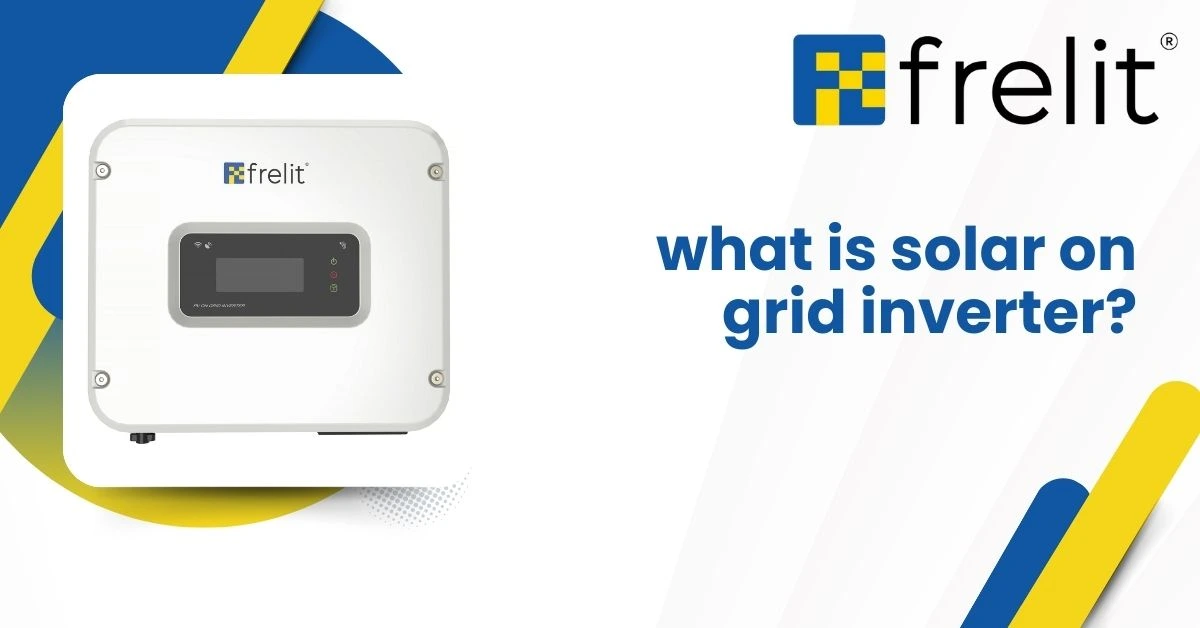
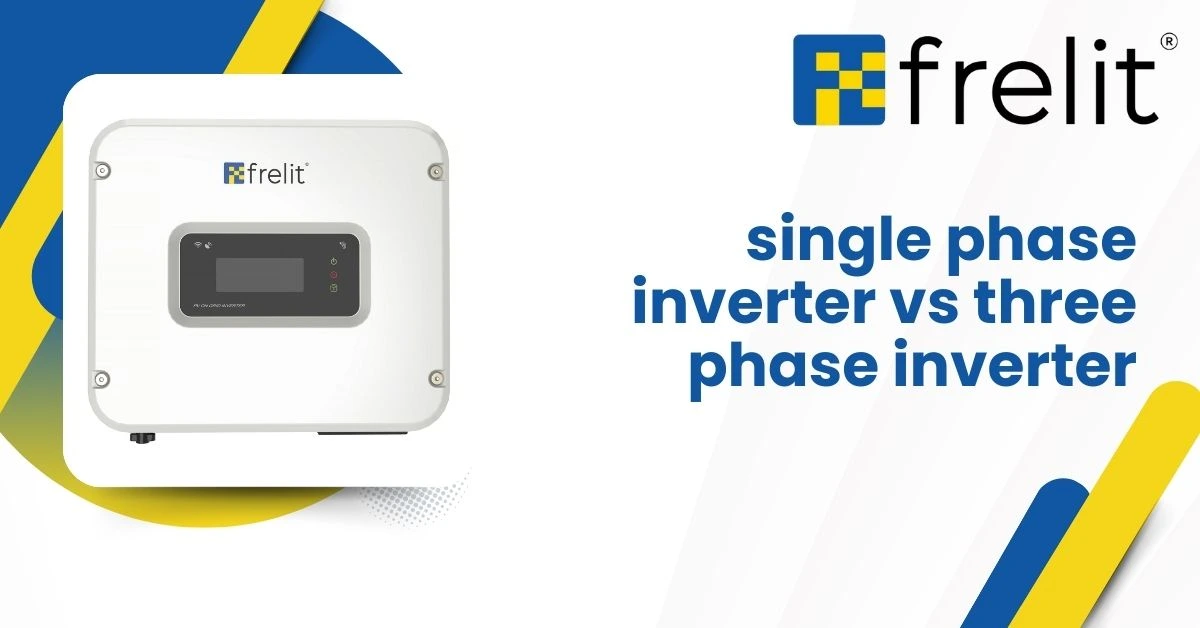
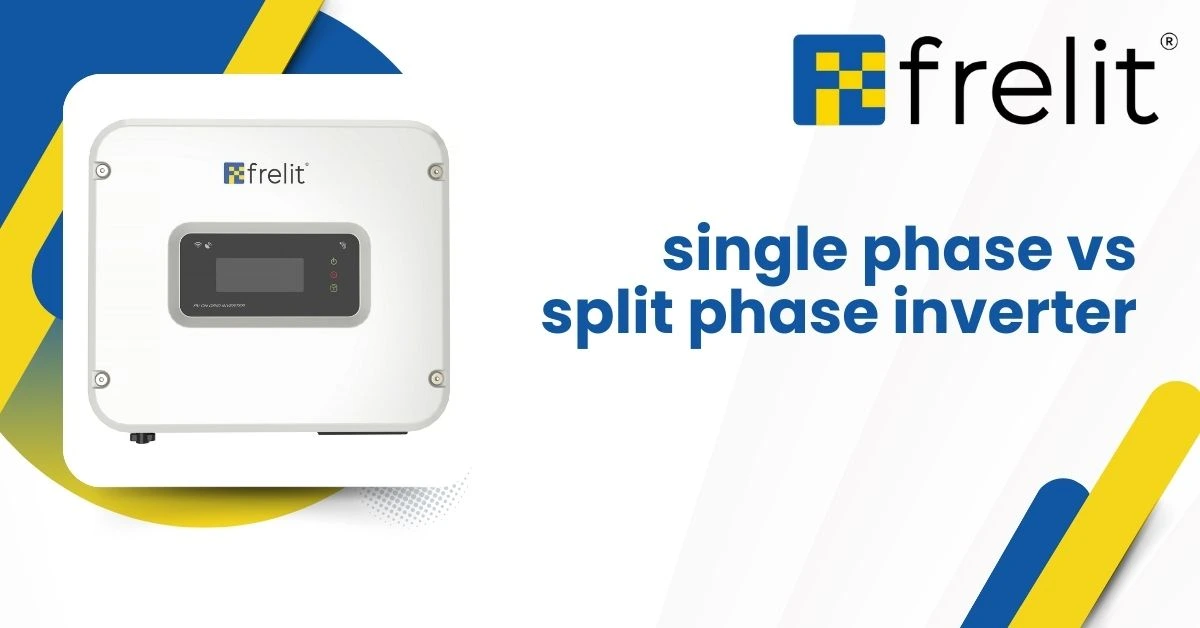
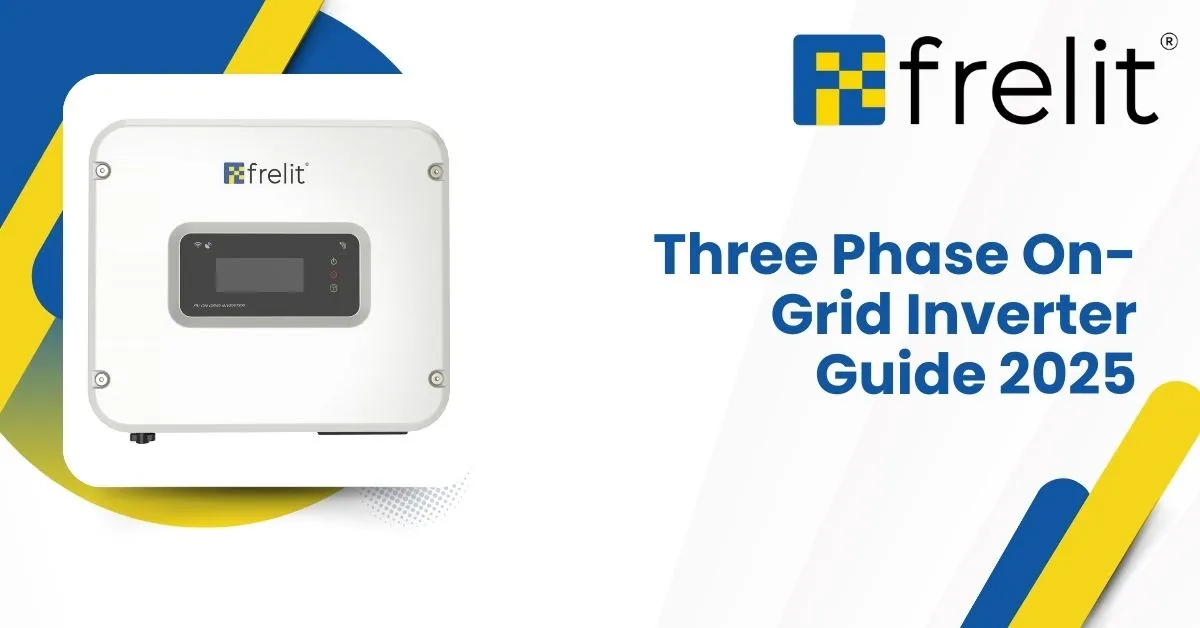
A Three Phase On-Grid Inverter converts the DC electricity produced by solar panels into stable three-phase AC electricity and injects it into the utility grid while providing essential safety features (like anti-islanding) and monitoring functions. It’s the standard choice for commercial sites and larger residential arrays because it balances load across three phases for smoother power delivery.
How a Three-Phase On-Grid Inverter Works
At a high level a three-phase on-grid inverter:
- Accepts DC from PV strings,
- Uses MPPT (Maximum Power Point Tracking) to extract maximum available power,
- Converts DC to AC using power electronics (inverter stage),
- Synchronizes frequency, phase and voltage with the grid before exporting power,
- Provides protective functions (anti-islanding, surge protection, fault reporting).
MPPT algorithms and precise synchronization are what make a modern inverter efficient and grid-compliant; advanced models now add AI-assisted optimization for better real-world yields.
Key Features to Look for in 2025 Models
In 2025, expect these must-have features in three-phase on-grid inverters:
- High conversion efficiency (many top three-phase models exceed 98% in peak conditions).
- Advanced MPPT with multiple trackers for complex roofs.
- Smart monitoring & cloud platforms for remote diagnostics and performance analytics.
- Grid services compatibility — reactive power control, export limiting, and VAr support for utility interaction.
- Safety & certifications: IEC, UL, or local regulatory approvals.
- Hybrid-ready or battery integration (if you want export control or backup via hybrid systems).
Choosing inverters with these features will reduce downtime, maximize generation, and keep systems compliant with grid codes.
Types of Three-Phase On-Grid Inverters
Common three-phase inverter types:
- String inverters (three-phase models): Good for distributed arrays and modular expansion.
- Central inverters: Best for large commercial or utility-scale installations — single large unit handles many strings.
- Hybrid on-grid inverters: Combine grid-tied function with battery charging/discharging (useful if you want backup or time-of-use optimization).
- Microinverters (less common for three-phase): Rare for three-phase setups but emerging for certain commercial microgrids.
The right type depends on size, roof complexity, budget, and whether you want battery backup.
Inverter Sizing Guide for 2025
Sizing a three-phase on-grid inverter requires balancing panel DC capacity and inverter AC rating. Key points:
- DC/AC ratio (inverter loading ratio, ILR): ILR = PV array kWp / inverter AC kW. Typical ILRs range from 1.05 to 1.3 depending on climate, rules, and manufacturer guidance. Oversizing panels slightly increases energy harvest but watch warranty/thermal limits.
- Consider daily peak production, temperature losses, and clipping.
- Recommended typical capacities: residential/commercial small sites often use 5–50 kW three-phase models; larger commercial and industrial sites use 50–500+ kW central or modular three-phase inverters.
- Voltage and current specs: ensure array VOC and Isc fall within inverter limits, and use correct stringing (MPPT inputs).
Example quick method: calculate your array STC kWp, select candidate inverter AC rating, compute ILR, and check if it’s within manufacturer allowed oversize and local regulation limits.
Unsure which three-phase inverter fits your system?
Let our experts help — contact us now for quick, reliable assistance!
Installation Requirements & Best Practices
Best practices for safe, efficient three-phase on-grid inverter installation:
- Follow the inverter manual and local electrical code for AC and DC protections, clearances, and conduit sizing.
- Earthing/grounding and lightning/surge protection (Type II SPDs) reduce damage risk.
- Proper string layout to balance MPPT inputs and avoid mismatches.
- Commissioning & export control: configure grid parameters, anti-islanding tests, and net-metering or export-limiting settings as required by your utility.
- Remote monitoring setup: connect the inverter to its monitoring portal at commissioning for alerts and analytics.
Always coordinate with your utility for required approvals, metering changes, and interconnection agreements.
Best Three-Phase On-Grid Inverters in 2025
The Three Phase On-Grid Inverter: quick comparison of reliable brands and what they excel at.
Top Three-Phase On-Grid Inverters (2025)
Top Three-Phase On-Grid Inverters — Comparison Table
| Model | Capacity | Type | Price (INR) | Key Highlights |
|---|---|---|---|---|
| FRELIT 7 kW Three-Phase Solar On-Grid Inverter | 7 kW | Three-Phase | ₹53,000 | Ideal for medium homes & small commercial systems, stable output, high efficiency |
| FRELIT 8 kW Three-Phase Solar On-Grid Inverter | 8 kW | Three-Phase | ₹54,000 | Perfect upgrade option, supports higher load handling, strong MPPT performance |
| FRELIT 10 kW Three-Phase Solar On-Grid Inverter | 10 kW | Three-Phase | ₹58,500 | Best for larger homes & small businesses, robust grid synchronization |
| FRELIT 12 kW Three-Phase Solar On-Grid Inverter | 12 kW | Three-Phase | ₹68,500 | Suitable for commercial applications with higher energy demand |
| FRELIT 15 kW Three-Phase Solar On-Grid Inverter | 15 kW | Three-Phase | ₹74,500 | High-capacity model for commercial setups, powerful performance & reliability |
Note: brand availability and model specs vary by region — always verify exact datasheets before purchase.
Pros and Cons of Three-Phase On-Grid Inverters
The Three Phase On-Grid Inverter: quick advantages and limitations.
Pros
- Better load balancing and power stability for larger sites.
- Efficient power export and reduced neutral current stress.
- Scalable for commercial rooftops and industrial installations.
Cons
- No grid → no export (traditional on-grid mode) — hybrid if backup needed.
- Higher upfront cost vs single-phase small units for tiny systems.
- Installation complexity and approvals can be greater.
Three-Phase On-Grid Inverter Pricing in 2025
Typical price ranges in 2025 vary by capacity and region: small three-phase inverters (5–10 kW) start at a few hundred USD/INR-equivalent, while larger commercial units (50–250 kW) range into thousands to tens of thousands — installation, balance-of-system (BoS), and approvals add to total system cost. Example market prices show 4–6 kW on-grid inverter prices around ₹50,000–₹60,000 in India for certain models and larger commercial inverters priced proportionally higher.
Maintenance Checklist & Troubleshooting Guide
The Three Phase On-Grid Inverter: keep it healthy — what to check and common fixes.
Routine checks
- Verify inverter online on monitoring portal weekly.
- Inspect AC/DC wiring, connectors, and cable glands every 6–12 months.
- Clean inverter vents and ensure ambient temperature within rated range.
- Firmware updates when recommended by manufacturer.
Common issues & fixes
- No output / grid fault: check grid availability and AC breaker.
- High DC input / MPPT errors: inspect string wiring and module mismatch.
- Overtemperature / derating: improve ventilation or relocate unit.
- Fault codes: consult manufacturer error code page; many faults are remote-diagnosable if monitoring is active.
Document serial numbers, firmware version, and service records for warranty claims.
Frequently Asked Questions
What is a Three Phase On-Grid Inverter?
A Three Phase On-Grid Inverter converts DC from solar panels into three-phase AC synchronized to the utility grid for export or self-consumption.
Can a three-phase on-grid inverter provide backup power during an outage?
Not by itself — a standard on-grid inverter shuts down on grid loss for safety. To get backup you need a hybrid inverter or additional battery system that supports islanding and backup switching.
How do I size a three-phase inverter for my system?
Calculate the DC array kWp, choose an inverter AC rating, compute DC/AC ratio (ILR), and verify it meets manufacturer oversize and local code limits. Typical ILRs are between 1.05 and 1.3.
Which features improve real-world energy yield?
Multiple MPPT trackers, high peak efficiency (>98%), smart MPPT algorithms, and shade-tolerant string layout improve actual energy harvest.
What is the typical price range for three-phase on-grid inverters in 2025?
Prices vary widely by capacity and market; small commercial units can start in the low thousands (local currency) while industrial central inverters cost significantly more. Local market listings show example 4–6 kW three-phase prices in the ₹50k–₹60k range for some models.
Conclusion
A Three Phase On-Grid Inverter is one of the most reliable and efficient solutions for modern solar power systems, especially as we move into 2025 with smarter grids and higher energy demands. Whether you’re designing a commercial rooftop system, upgrading an existing installation, or planning a future-ready solar setup, choosing the right inverter plays a crucial role in overall performance, safety, and long-term return on investment.