
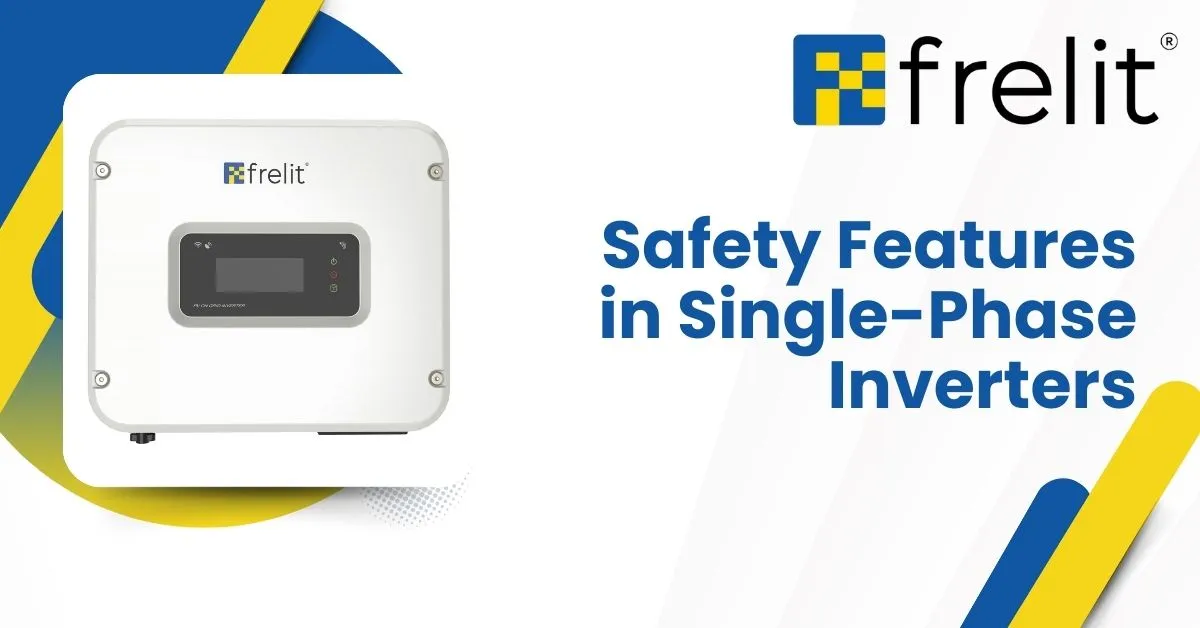
Solar energy systems are becoming a common choice for homes, but safety remains a top priority for users and grid operators alike. Modern solar setups rely heavily on Single Phase On-Grid Inverters, which not only convert power but also protect your home, electrical devices, and the utility grid from faults, surges, and unsafe operating conditions through multiple built-in safety mechanisms.
Safety in Single-Phase Inverters
These inverters handle fluctuating solar input, changing household loads, and grid instability throughout the day. To manage these challenges safely, Single Phase On-Grid Inverters are designed with intelligent protection systems that monitor voltage, current, temperature, and grid status in real time, reducing the risk of electrical shock, fire hazards, and equipment damage.
Why Safety Features Matter in Single-Phase Inverters
Home solar systems are exposed to unpredictable electrical and environmental conditions, which is why safety cannot be optional. During power fluctuations, wiring faults, or sudden surges, Single Phase On-Grid Inverters act as the first line of defense by detecting abnormal conditions and responding instantly.
Without proper protection, issues like overheating, short circuits, and grid back-feeding can cause serious damage. Advanced safety features in Single Phase On-Grid Inverters help prevent accidents, extend system lifespan, and ensure compliance with utility and net-metering regulations, making them essential for safe solar operation.
Core Safety Features in Single-Phase Inverters
Modern residential solar systems depend on multiple protection layers to operate safely. These core features are standard expectations in Single Phase On-Grid Inverters designed for today’s grid-connected environments.
Anti-Islanding Protection
When the utility grid fails, the inverter must immediately stop supplying power. Certified Single Phase On-Grid Inverters include anti-islanding protection that detects grid loss and disconnects automatically, preventing dangerous back-feeding that could harm utility workers or nearby infrastructure.
Over-Voltage and Under-Voltage Protection
Voltage levels on the grid can fluctuate due to high demand, poor connections, or unstable supply. To safeguard home appliances, Single Phase On-Grid Inverters continuously monitor voltage and either regulate output or shut down if values exceed safe operating limits.
Over-Current and Short-Circuit Protection
Faulty wiring or internal component failure can cause dangerous current spikes. In such situations, Single Phase On-Grid Inverters quickly detect over-current or short-circuit conditions and disconnect the system to minimize fire risk and equipment damage.
Surge and Lightning Protection
Electrical surges caused by lightning strikes or grid switching events can severely damage solar equipment. To reduce this risk, Single Phase On-Grid Inverters include built-in surge protection devices and protective circuits that absorb or divert excess voltage.
Thermal Protection and Smart Cooling
Heat is one of the biggest threats to inverter longevity. To manage temperature effectively, Single Phase On-Grid Inverters use internal sensors to monitor heat levels and activate smart cooling or power derating when needed.
Advanced Safety Technologies in Modern Single-Phase Inverters
Beyond basic protections, newer systems include intelligent monitoring that enhances overall system safety. These advanced features make Single Phase On-Grid Inverters far more reliable than older inverter designs.
Ground Fault Detection (GFDI)
Ground faults occur when electrical current leaks due to damaged insulation or moisture. With ground fault detection, Single Phase On-Grid Inverters can identify leakage currents early and shut down the system before shock hazards or fires occur.
Arc Fault Circuit Interruption (AFCI)
Loose connections or degraded wiring can create electrical arcs that generate intense heat. Advanced Single Phase On-Grid Inverters with AFCI technology detect abnormal arcing patterns and disconnect the system instantly, significantly reducing rooftop fire risks.
DC Insulation Monitoring
Solar DC cables are exposed to sun, rain, dust, and temperature extremes for years. To catch insulation breakdown early, Single Phase On-Grid Inverters continuously monitor insulation resistance and issue warnings before faults become serious safety issues.
Safety Standards and Certifications for Single-Phase Inverters
Compliance with recognized safety standards ensures that solar systems operate reliably and legally. Certified Single Phase On-Grid Inverters are tested against international standards such as IEC and IEEE, as well as local utility grid codes.
These certifications confirm proper anti-islanding behavior, fault response, EMC performance, and electrical protection. Choosing certified inverters also helps avoid approval delays and ensures eligibility for net metering programs.
Basic vs Advanced Safety Features
Understanding feature differences helps homeowners make informed decisions. When comparing protection levels, Single Phase On-Grid Inverters with advanced safety clearly outperform basic inverter models.
| Safety Feature | Basic Inverter | Modern Single-Phase Inverter |
|---|---|---|
| Anti-Islanding | Limited | Certified fast shutdown |
| Surge Protection | Basic | Multi-layer protection |
| Thermal Control | Minimal | Smart sensors + cooling |
| Fault Detection | Basic alerts | Real-time diagnostics |
| Fire Risk Control | Limited | AFCI + GFDI |
| Grid Compliance | Partial | Full smart grid ready |
Safety Benefits for Homeowners
For homeowners, safety features translate directly into peace of mind. With robust protection systems, Single Phase On-Grid Inverters help safeguard appliances, reduce fire risk, minimize downtime, and extend system life.
Improved diagnostics also mean faster troubleshooting and lower maintenance costs, making safety-focused inverters a smart long-term investment.
Common Safety Mistakes to Avoid
Many safety issues arise from poor choices rather than faulty technology. Problems often occur when Single Phase On-Grid Inverters are uncertified, poorly installed, improperly grounded, or ignored during maintenance.
Skipping firmware updates and ignoring warning alerts can also reduce system safety. Proper installation and regular monitoring are just as important as built-in protections.
Want to ensure maximum safety for your home solar system?
Contact Us today to explore advanced single-phase inverter safety solutions.
How to Choose a Safe Single-Phase Inverter
When selecting a solar inverter, safety should be a top priority. High-quality Single Phase On-Grid Inverters should offer certified anti-islanding, surge protection, thermal monitoring, and advanced fault detection.
Also consider warranty terms, service availability, and monitoring tools, as quick diagnostics can prevent minor issues from becoming major safety risks.
Future Trends in Single-Phase Inverter Safety
Safety technology continues to evolve as systems become smarter and more connected. Future Single Phase On-Grid Inverters are expected to use AI for predictive fault detection, allowing issues to be addressed before failures occur.
Remote diagnostics, self-updating safety algorithms, and cybersecurity protection will also become essential as inverters integrate more deeply with smart grids and home energy platforms.
Frequently Asked Questions
What are the key safety features in single-phase inverters?
Key protections include anti-islanding, surge protection, thermal monitoring, and fault detection in Single Phase On-Grid Inverters.
Why is anti-islanding important?
Anti-islanding ensures Single Phase On-Grid Inverters shut down during outages to protect utility workers and equipment.
Are single-phase inverters safe for home use?
Yes, certified Single Phase On-Grid Inverters are designed to operate safely in residential solar systems.
Do inverter safety features protect appliances?
Voltage regulation and fault shutdown in Single Phase On-Grid Inverters help prevent appliance damage.
Can safety features reduce fire risks?
Yes, AFCI and thermal protection in Single Phase On-Grid Inverters significantly reduce fire hazards.
Conclusion
Safety is a critical factor when designing or upgrading a residential solar power system, and modern inverter technology plays a major role in ensuring reliable operation. With multiple layers of protection working together, Single Phase On-Grid Inverters help safeguard homeowners, electrical appliances, and the utility grid from faults, voltage fluctuations, overheating, and fire risks.