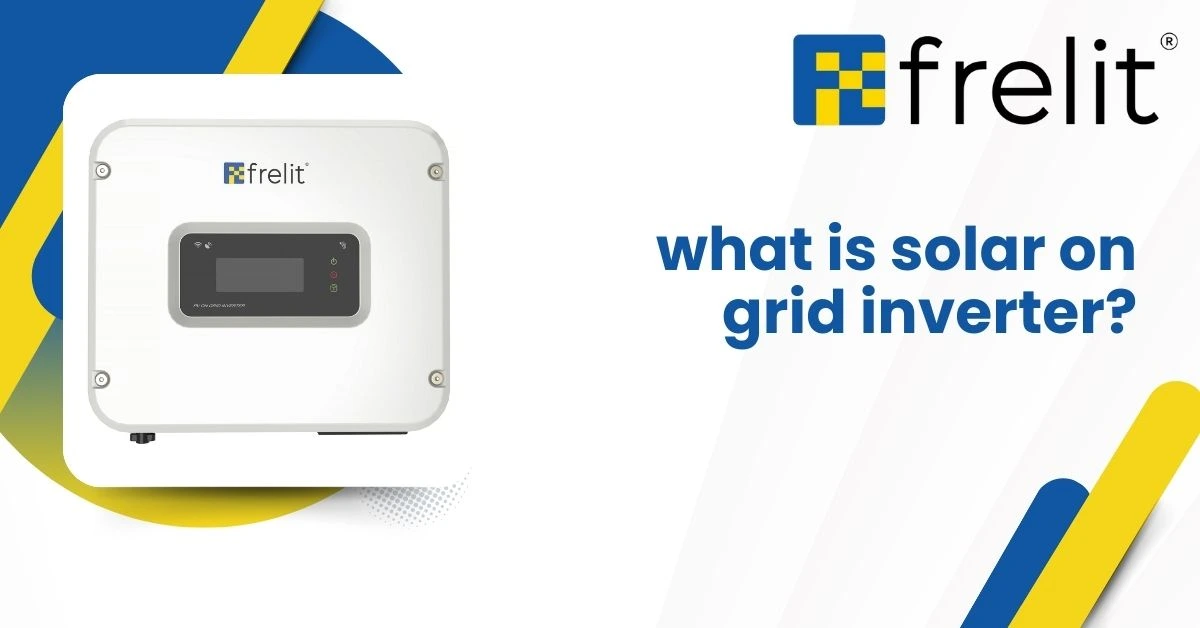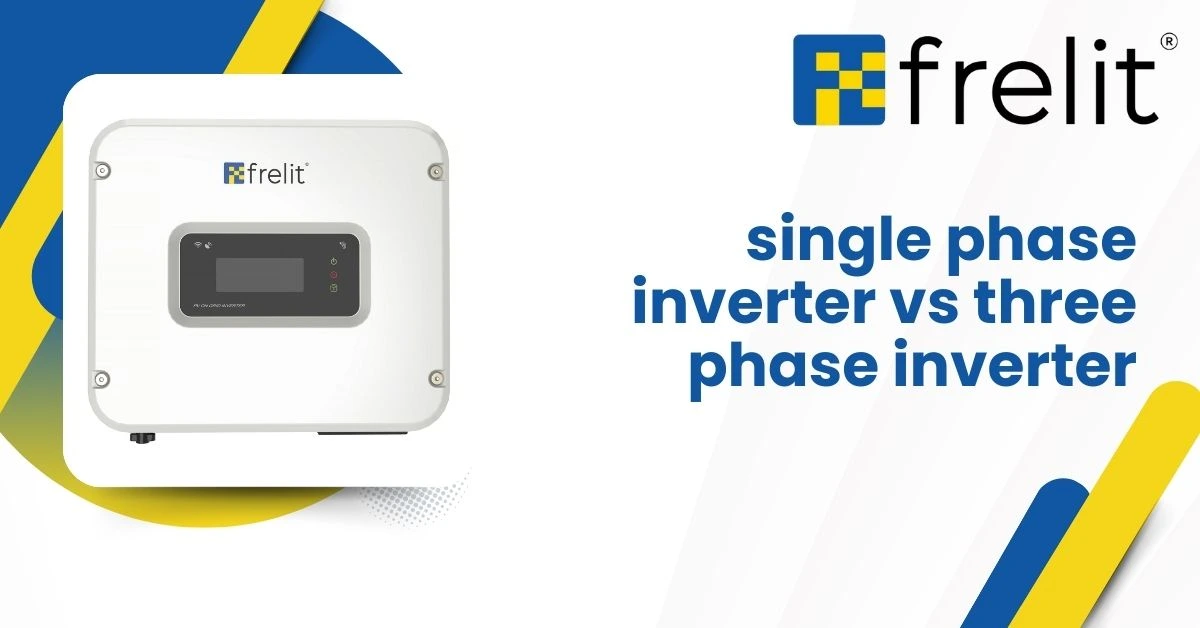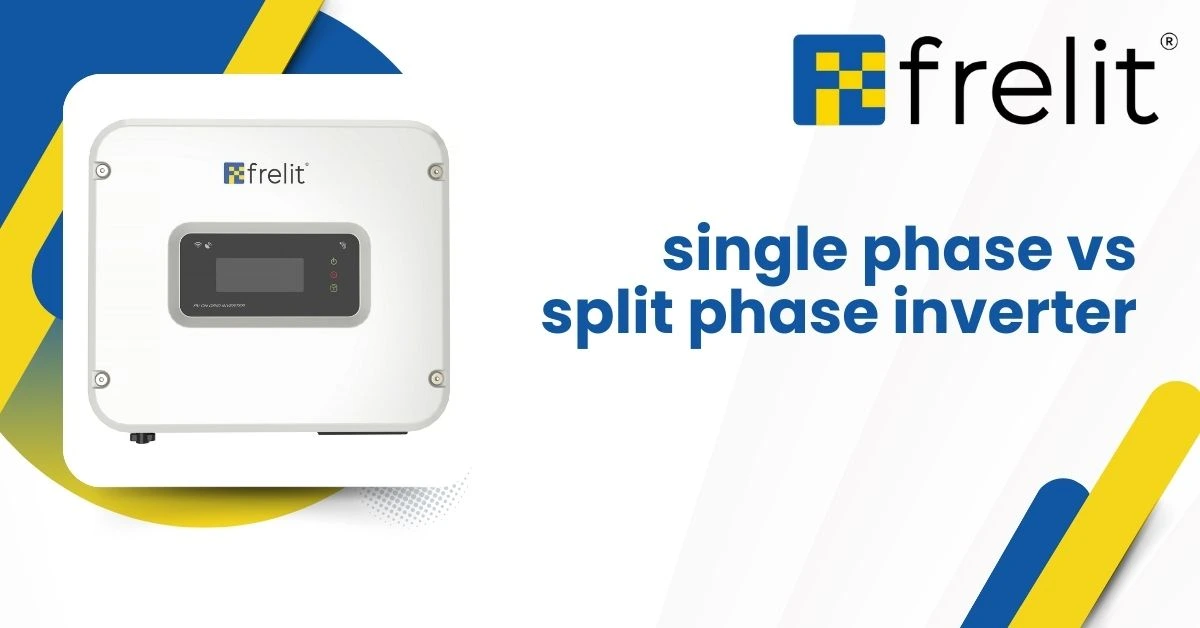


Most homeowners today look for affordable, easy-to-install solar solutions, and one of the most popular choices is the single-phase inverter. When planning a new solar setup, it is important to understand the strengths and weaknesses of the technology so you can invest wisely. At the heart of many residential systems, Single Phase On-Grid Inverters offer reliable energy conversion and grid connectivity that suits typical household power needs perfectly.
How Single Phase On-Grid Inverters Work
Solar panels naturally produce direct current (DC) which cannot be used by household appliances in its raw form. The inverter’s primary job is to convert this DC into alternating current (AC) that matches your local grid specifications. During this conversion process, Single Phase On-Grid Inverters synchronize with grid voltage and frequency to ensure seamless export of excess solar power while keeping your home powered efficiently.
Pros of Single Phase On-Grid Inverters
Homeowners often seek dependable and economical solutions when installing a rooftop solar system. For small and medium residential setups, the features offered by these inverters make them a top choice. In most cases, Single Phase On-Grid Inverters provide the right combination of affordability, compatibility, and strong performance for typical household electrical loads.
Perfect for Residential Power Needs
Most homes are built with single-phase wiring, meaning solar integration becomes straightforward when you choose the right inverter. Because they operate within the limits of standard household infrastructure, Single Phase On-Grid Inverters make installation simpler while ensuring smooth everyday performance for appliances.
- Easy integration
- Smooth operation
- A stable power supply
Lower Cost and Affordable Installation
Many homeowners select these inverters because they come at a much lower price compared to industrial models. Thanks to their smaller and simpler build, Single Phase On-Grid Inverters reduce both the initial investment and the cost of wiring and installation for new solar users.
- Upfront system cost
- Wiring expenses
- Installation complexity
This makes them ideal for cost-conscious homeowners seeking efficient solar solutions.
Easy to Install and Maintain
Unlike more complex power solutions, these inverters are known for their straightforward setup and minimal maintenance needs. Technicians often prefer working with them because Single Phase On-Grid Inverters offer a user-friendly design that simplifies servicing and long-term support.
- Require minimal maintenance
- Have lower service costs
- Offer plug-and-play compatibility
Highly Compatible With Household Appliances
Typical home appliances like lights, fans, refrigerators, and TVs rely on single-phase AC power. Because of this, Single Phase On-Grid Inverters provide an ideal match between solar-generated electricity and the equipment already present in most homes.
- Daily household usage
- Moderate energy consumption
- Smooth and stable performance
Excellent Efficiency at Low and Medium Loads
Small and mid-sized homes rarely run heavy machinery, so their energy needs fall within the efficient operating range of these devices. Under these conditions, Single Phase On-Grid Inverters deliver outstanding energy conversion efficiency and reliable performance throughout the day.
- 1–10 kW solar systems
- Normal household loads
- Standard single-phase connections
Cons of Single Phase On-Grid Inverters
Even though these inverters offer several benefits, they may not be suitable for every scenario. Large buildings or homes with heavy power consumption require more robust electrical infrastructure to maintain stability. In such cases, Single Phase On-Grid Inverters may show limitations that impact performance under demanding conditions.
Limited Power Capacity
Most single-phase systems are typically available in capacities between 1 kW and 10 kW. This may not be enough for homes with multiple air conditioners, large motors, or high consumption patterns. As power demands grow, Single Phase On-Grid Inverters may struggle to handle the load effectively.
- Your home has high-power appliances
- You run multiple AC units
- You plan to expand your solar system significantly
Voltage Fluctuations Under Heavy Load
Running multiple heavy appliances at once can cause voltage dips or flickering in weaker setups. These fluctuations happen because Single Phase On-Grid Inverters are not designed to support industrial-level loads or unbalanced heavy power usage.
- Voltage drops
- Flickering lights
- Unstable appliance performance
Less Efficient at Maximum Load
When pushed close to their upper limit for long periods, inverter components may wear out faster or operate less efficiently. In high-demand environments, Single Phase On-Grid Inverters may experience increased heat generation, and reduced lifespan compared to larger three-phase units.
Not Suitable for Large Solar Installations
Higher-capacity solar systems that exceed 10 kW require more balanced power distribution and larger inverter support. For such setups, Single Phase On-Grid Inverters cannot manage grid balancing effectively, making three-phase systems a more dependable option.
- Grid imbalance
- Limited input capacity
- Higher stress on components
Single Phase On-Grid Inverters vs Three-Phase Inverters
Choosing the right inverter depends on your energy needs, property type, and long-term solar goals. When comparing residential and commercial usage, Single Phase On-Grid Inverters serve small homes efficiently, while three-phase inverters deliver superior stability for larger installations.
| Feature | Single Phase On-Grid Inverters | Three-Phase Inverters |
|---|---|---|
| Best Use | Homes & small shops | Large buildings & industries |
| Capacity | 1–10 kW | 10–100+ kW |
| Installation Cost | Low | Higher |
| Load Handling | Moderate | Excellent |
| Grid Stability | Moderate | High |
| Efficiency | High at low loads | High at heavy loads |
When Should You Choose Single Phase On-Grid Inverters?
Most residential users find that single-phase solutions are more than sufficient for their day-to-day energy needs. Before choosing a device, consider your wiring type, load pattern, and solar capacity. In general, Single Phase On-Grid Inverters are the ideal choice for homes seeking cost-effective solar generation without the need for industrial-level power support.
They Are the Right Choice If:
- Your house has a single-phase electrical connection
- You want a budget-friendly solar solution
- Your solar capacity is between 1 kW and 10 kW
- Your load consists of normal household appliances
Avoid Them If:
- You have heavy machinery
- Your home has a three-phase grid supply
- Your solar capacity exceeds 10 kW
- You need stable power for large appliances
Want help choosing the best Single Phase On-Grid Inverter for your system?
Contact us now and our team will guide you step-by-step.
Applications of Single Phase On-Grid Inverters
These inverters are used across a wide range of residential and small commercial environments. Because they adapt well to standard home electricity systems, Single Phase On-Grid Inverters can be found in rooftop solar setups, backup power systems, small offices, clinics, and rural homes where simplicity and reliability are key.
Tips for Choosing the Best Single Phase On-Grid Inverter
Selecting the right inverter ensures maximum solar output, long-term durability, and stable energy performance. When evaluating different models, look closely at efficiency ratings, smart features, and warranty terms. In many cases, Single Phase On-Grid Inverters offer the perfect balance of affordability and reliability when matched to the right load capacity.
Frequently Asked Questions
What is a Single Phase On-Grid Inverter?
A Single Phase On-Grid Inverter converts DC solar power into grid-ready AC electricity for home usage and net metering.
Are Single Phase On-Grid Inverters good for home solar systems?
Yes, they are ideal for 1–10 kW rooftop solar installations designed for typical household loads.
What are the main drawbacks of Single Phase On-Grid Inverters?
Their power capacity is limited, and they may experience voltage instability under heavy load conditions.
How long do Single Phase On-Grid Inverters last?
Most models last between 8–12 years, depending on maintenance and operating conditions.
Should I choose single-phase or three-phase for my home?
For moderate load homes, single-phase is sufficient. For large homes or properties with heavy appliances, three-phase is recommended.
Conclusion
For most residential homes, these inverters provide exceptional value, ease of use, and strong efficiency for small to medium rooftop solar systems. When installed correctly in homes with moderate energy demand, Single Phase On-Grid Inverters deliver consistent performance, making them one of the best choices for homeowners entering the solar energy market.