
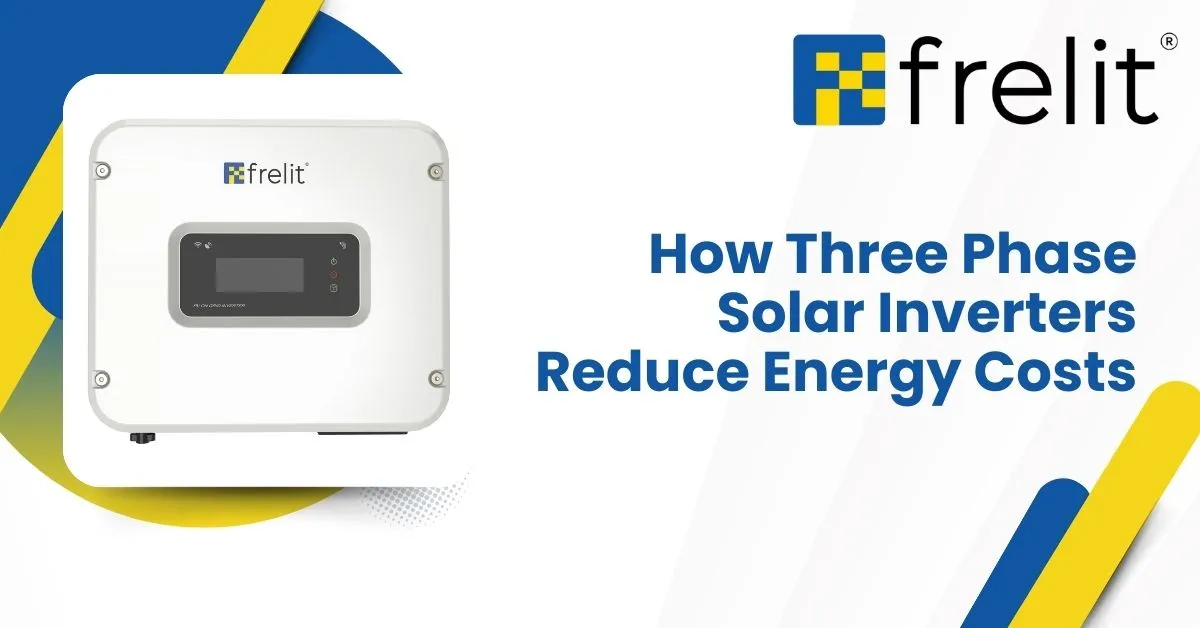
As energy tariffs continue to increase globally, many homes and businesses are searching for reliable ways to lower electricity bills and improve energy independence. Solar power has become one of the most cost-effective solutions, and in modern installations, Three Phase Solar Inverters play a major role in maximizing energy savings, improving power balance, and ensuring long-term return on investment.
Electricity usage varies across appliances and phases, especially in large residential and commercial setups, which leads to uneven power consumption and energy waste. In such scenarios, Three Phase Solar Inverters offer a smarter approach by distributing energy evenly across all three electrical phases, helping reduce reliance on grid electricity and increasing overall system efficiency. As a result, energy usage becomes optimized, and monthly power bills drop significantly.
What Is a Three Phase Solar Inverter?
A solar inverter is responsible for converting DC energy from solar panels into usable AC electricity that can power appliances or feed the utility grid. Unlike basic configurations, Three Phase Solar Inverters support larger solar systems and deliver stable electricity for high-load environments such as EV chargers, pumps, elevators, HVAC systems, motors, and industrial equipment. This makes them ideal for factories, commercial buildings, farms, and modern homes with higher consumption demands.
How Three Phase Solar Inverters Work
Solar systems generate DC power, which must be converted efficiently to AC power before use. Modern digital control algorithms and switching technology allow Three Phase Solar Inverters to balance loads across the electrical network, minimizing phase imbalance, preventing voltage drop, and improving equipment performance. This results in smoother power delivery, reduced energy wastage, and consistent system output throughout the day.
Why Three Phase Solar Inverters Reduce Energy Costs
Reducing electricity bills isn’t only about generating solar energy — it’s also about using it efficiently and minimizing waste. With high conversion efficiency, load optimization, and export support, Three Phase Solar Inverters enable better energy management, making it possible to rely more on solar and less on costly grid-supplied electricity. Over time, this leads to measurable cost savings and faster payback on the solar installation.
Three Phase vs Single Phase Inverters
Single-phase systems are suitable for low-power requirements. However, when solar generation increases or appliances demand more stable power, Three Phase Solar Inverters offer superior efficiency, larger system capacity, and enhanced grid export capability — delivering significantly better long-term financial savings.
| Feature | Single-Phase Inverter | Three-Phase Solar Inverter |
|---|---|---|
| Load Handling | Medium | High |
| Ideal System Size | Small homes | Large homes, farms, commercial |
| Efficiency Level | Moderate | Very High |
| Energy Export Capability | Limited | Strong |
| Long-Term Savings | Good | Excellent |
Real-World Energy Savings with Three Phase Solar Inverters
In real-life applications, solar system users often observe a drastic drop in energy bills once their system is properly designed and balanced. Whether powering machinery, refrigeration, or household electronics, Three Phase Solar Inverters ensure that more energy produced by solar panels is used instead of wasted. This is especially beneficial for businesses that operate continuously, since consistent power means greater operational efficiency and reduced electricity spending over time.
More Benefits Beyond Cost Savings
The financial advantages are only one part of the value. With durability, power stability, and advanced smart features such as remote monitoring, Three Phase Solar Inverters improve system reliability, reduce wear on appliances, and offer scalable future capability. This means users can later integrate energy storage, expand solar capacity, or support electric vehicle charging — all without replacing the inverter system.
Want a system that delivers maximum efficiency and long-term savings?
Contact us now to get personalized solar recommendations.
Installation Requirements for Best Results
Proper installation plays a crucial role in ensuring high performance and long-term savings. When designing a solar system around Three Phase Solar Inverters, installers evaluate load distribution, future energy usage, net metering permissions, battery plans, and panel sizing. With correct system engineering, users can achieve optimal solar utilization, minimal grid draw, and accelerated payback.
Are Three Phase Solar Inverters Worth It?
For properties with growing power needs, future expansion plans, or high-load electrical devices, the answer is yes — the investment pays off considerably faster. Because Three Phase Solar Inverters maximize efficiency, support large solar capacities, and enhance export potential, users benefit from lower electricity bills, reduced operational costs, and stronger long-term energy independence.
Frequently Asked Questions
How do Three Phase Solar Inverters reduce energy bills?
They distribute power evenly and maximize solar usage, reducing dependency on the grid.
Are they better than single-phase inverters?
Yes — especially for high-load systems and larger properties.
Can they work with batteries?
Yes, especially when configured with hybrid three-phase inverter models.
How much money can I save annually?
Savings depend on system size and usage, but many users report 30–60% lower bills.
Can I upgrade to a Three Phase Solar Inverter from a single-phase inverter later?
Yes, upgrading is possible, especially if your property already has a three-phase grid connection. However, system rewiring or reconfiguration may be required for proper load balancing and efficiency.
Conclusion
Future-ready solar systems demand efficiency, scalability, and intelligent energy management. With balanced output, high system compatibility, and measurable cost reduction, Three Phase Solar Inverters provide one of the most effective ways to lower electricity expenses and improve solar ROI — making them an excellent choice for long-term sustainable energy planning.