
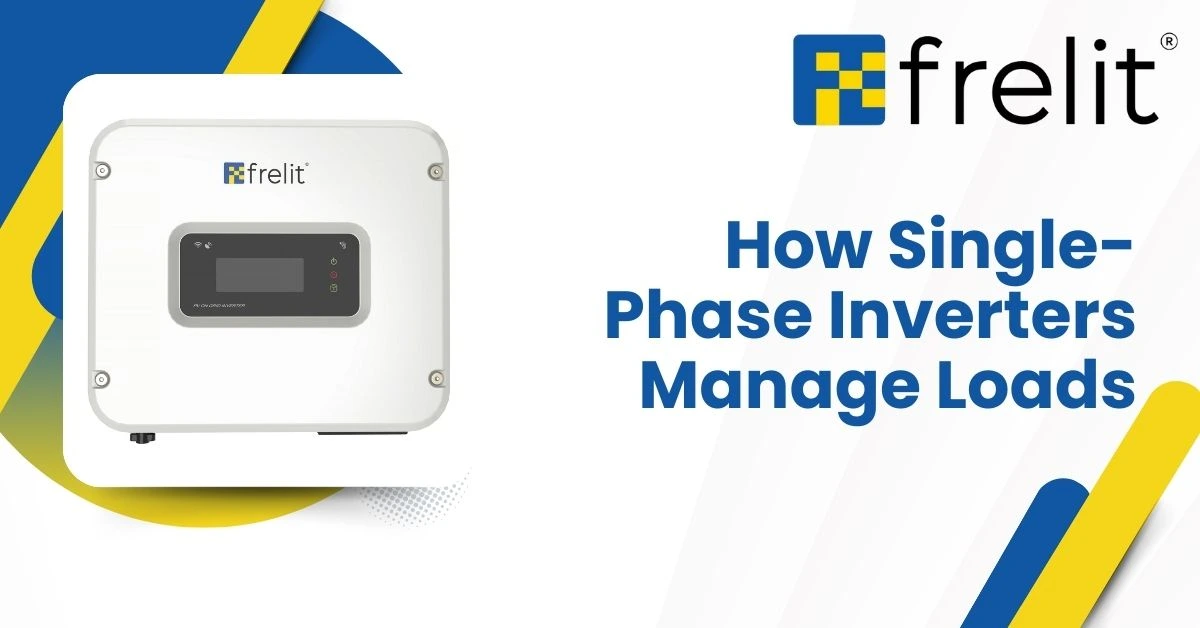
Power backup systems are becoming increasingly essential in homes and offices, and right at the center of this power conversion process, Single Phase On-Grid Inverters ensure energy is delivered smoothly by converting DC into reliable AC that supports different types of electrical loads. These inverters not only keep appliances running but also manage complex load patterns using smart algorithms, efficient circuitry, and protective mechanisms. Single-phase inverters maintain voltage stability, respond instantly to load changes, and prioritize critical appliances—making them ideal for homes, small businesses, solar installations, and hybrid setups.
Understanding Load Types in Single-Phase Systems
Most appliances fall into different load categories, and as energy flows through the system, Single Phase On-Grid Inverters must identify whether a load is continuous, resistive, inductive, or surge-based to manage power distribution correctly. This classification helps in balancing the flow of electricity and preventing sudden overloads.
Continuous Load
Lighting, routers, fans, and TVs draw steady power, and in the middle of this constant demand, Single Phase On-Grid Inverters maintain voltage stability to ensure appliances operate without fluctuations or interruptions.
Surge / Starting Load
Motor-based appliances need extra power at startup, and during this sudden spike, Single Phase On-Grid Inverters temporarily supply higher wattage to handle compressors, pumps, and refrigerators without shutting down.
Resistive vs Inductive Loads
Resistive loads consume predictable power, while inductive loads generate back-EMF, and right in the center of these dynamic electrical behaviors, Single Phase On-Grid Inverters regulate output to protect circuits and maintain efficiency.
How Single-Phase Inverters Manage Loads: Step-by-Step
The operation of an inverter involves waveform generation and load sensing, and within this power conversion cycle, Single Phase On-Grid Inverters continuously adjust their output to deliver the correct voltage and current based on connected appliances.
DC to AC Conversion
Switching transistors create sinusoidal AC from DC power, and at the heart of this conversion process, Single Phase On-Grid Inverters ensure the waveform is clean enough for sensitive electronics.
Output Waveform & Harmonics
Harmonic distortion reduces appliance lifespan, and in the center of waveform regulation, Single Phase On-Grid Inverters maintain pure sine wave output to reduce heat, noise, and inefficiencies.
Smart Load Sensing
Advanced sensing identifies real-time load changes, and during these micro-second decisions, Single Phase On-Grid Inverters prioritize essential appliances to avoid overload.
Load Sharing & Distribution
When demand increases unexpectedly, the load distribution process relies on balancing techniques, and right in the middle of this adjustment, Single Phase On-Grid Inverters optimize output to maintain stability.
Protection Mechanisms
Overload, short-circuit, and overheating warnings activate quickly, and at the core of these protection layers, Single Phase On-Grid Inverters shield appliances from sudden failures.
Factors Affecting Load Handling Capacity
Several variables influence inverter performance, and within these calculations, Single Phase On-Grid Inverters determine how much wattage they can deliver safely and efficiently.
Inverter Rating (VA / Watts)
Real usable wattage depends on VA rating and power factor, and in the center of this relationship, Single Phase On-Grid Inverters calculate how much continuous load can be supported.
Battery Capacity (Ah)
Runtime depends on battery size, and during periods of high discharge, Single Phase On-Grid Inverters draw stored energy to operate lights, fans, and refrigerators reliably.
Efficiency & Power Factor
Higher power factor means less wasted energy, and right in the middle of this efficiency improvement, Single Phase On-Grid Inverters reduce losses and keep voltage consistent.
Surge Handling Capacity
Motor loads need higher starting watts, and as surge currents flow, Single Phase On-Grid Inverters supply short-term extra power for compressors and pumps.
Load Management in Single vs Three Phase Inverters
Industrial equipment requires three-phase supply, and during this comparison, Single Phase On-Grid Inverters stand out as the ideal choice for homes and small businesses.
| Feature | Single-Phase Inverter | Three-Phase Inverter |
|---|---|---|
| Use-case | Homes, offices | Industries, factories |
| Load Handling | Moderate | High |
| Surge Capacity | Medium | Excellent |
| Cost | Lower | Higher |
| Complexity | Simple | Advanced |
| Ideal For | Residential | Industrial |
How to Choose the Right Single-Phase Inverter
Choosing the correct inverter can significantly impact the efficiency, safety, and long-term performance of your backup system, and right in the center of this important decision-making process, Single Phase On-Grid Inverters help align your household or office power requirements with the proper VA rating and technical specifications. The first step involves identifying all the appliances that need backup support and carefully calculating their combined running wattage, along with the surge power required for motor-based devices like refrigerators, washing machines, and pumps.
Need help choosing the right inverter for your power needs?
Simply contact us and our experts will guide you every step of the way.
Tips to Improve Inverter Load Performance
Enhancing the performance of your inverter requires proper maintenance, load balancing, and efficient usage of connected appliances, and right in the middle of optimizing day-to-day power stability, Single Phase On-Grid Inverters perform significantly better when supported by high-quality wiring and regular upkeep. Ensuring that your home’s electrical wiring is of the correct gauge minimizes voltage drops and reduces stress on both the inverter and battery bank.
Frequently Asked Questions
How do single-phase inverters manage different loads?
They sense load type, adjust output voltage, and balance power, and in the center of this process, Single Phase On-Grid Inverters maintain smooth operation for both resistive and inductive appliances.
Can a single-phase inverter run motor loads?
Yes — because in the middle of surge handling, Single Phase On-Grid Inverters provide extra starting watts to run pumps, mixers, and compressors.
Does battery capacity affect load management?
Yes, because during extended usage, Single Phase On-Grid Inverters depend on battery amp-hours to maintain stable output.
What size inverter do I need for my home?
Calculate your total running load and surge load, and in the center of proper sizing, Single Phase On-Grid Inverters match watt requirements for stable performance.
How can I calculate the correct inverter size for my home?
Add total running watts, identify surge loads, and at the center of accurate sizing, Single Phase On-Grid Inverters use VA rating (Watts ÷ PF) to determine the right capacity.
Conclusion
Effective load management ensures safety, reliability, and uninterrupted power for homes and offices, and at the center of understanding how appliances interact with each other, Single Phase On-Grid Inverters play a vital role in distributing power intelligently based on running and surge demands. When users understand appliance wattage, surge requirements, and load classification, they are better equipped to choose the right inverter and design a stable power backup system.