
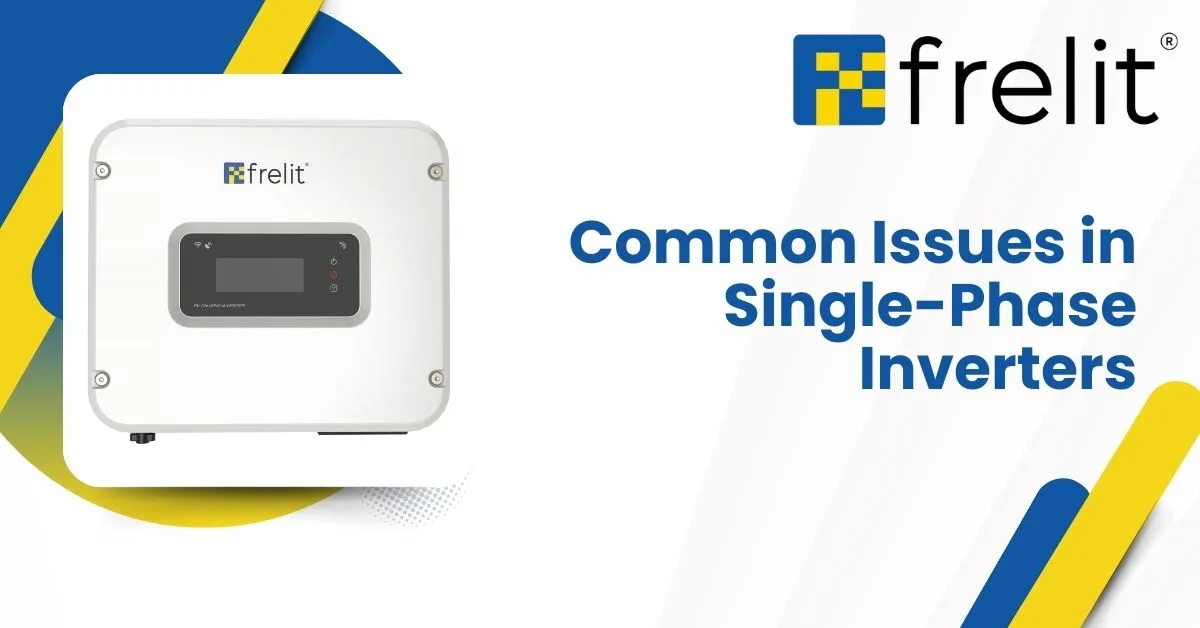
Inverter-related issues can significantly affect the overall performance of a rooftop solar system if not addressed on time. Warning signs may include error messages, reduced energy output, or sudden shutdowns. Single Phase On-Grid Inverters are especially sensitive to grid conditions and installation quality because they operate in continuous synchronization with the utility supply. Identifying issues early allows users to maintain stable energy generation and prevent long-term damage.
What Is a Single-Phase Inverter and How It Works?
A single-phase inverter converts DC electricity generated by solar panels into AC electricity suitable for household use. It constantly monitors grid voltage, frequency, and safety parameters to ensure smooth operation. Single Phase On-Grid Inverters automatically disconnect during unsafe grid conditions to protect appliances and utility workers. This protective behavior is often mistaken for a fault, even though it is a normal safety function.
Most Common Issues in Single-Phase Inverters
Residential solar users may face several recurring inverter problems during system operation.
Inverter Not Turning On
This issue commonly occurs when there is no grid supply, insufficient DC voltage from panels, or faulty wiring. Single Phase On-Grid Inverters will not start unless both DC input and grid conditions meet required parameters.
Low Power Output or Reduced Efficiency
Energy production may drop due to dust accumulation on panels, shading, MPPT inefficiencies, or aging internal components. In such cases, Single Phase On-Grid Inverters may continue operating but deliver less output than expected.
Grid Voltage Fluctuation Errors
High or low grid voltage is one of the most common inverter complaints. Single Phase On-Grid Inverters disconnect automatically when voltage goes beyond permissible limits to ensure safety and grid compliance.
Overheating and Thermal Shutdown
Poor ventilation, direct sunlight, or high ambient temperatures can cause overheating. To prevent damage, Single Phase On-Grid Inverters temporarily shut down until temperatures return to safe levels.
Communication and Monitoring Issues
Wi-Fi signal loss or network issues can interrupt monitoring, making performance tracking difficult. Although energy generation may continue, Single Phase On-Grid Inverters may stop reporting data accurately.
Error Codes and Alarm Warnings
Error codes are built-in diagnostic tools that indicate specific problems such as grid faults, temperature issues, or internal errors. Understanding these codes helps users respond appropriately.
Causes of Single-Phase Inverter Problems
Poor installation practices, such as loose connections or undersized cables, are major contributors to faults. Grid instability, especially in areas with fluctuating voltage, also affects inverter performance. Single Phase On-Grid Inverters are additionally impacted by high temperatures, dust exposure, aging components, and lack of regular maintenance, all of which increase the likelihood of failures over time.
Common Inverter Issues and Solutions
| Inverter Issue | Possible Cause | Suggested Solution |
|---|---|---|
| Inverter not starting | No grid or DC input | Check panel, grid, and isolators |
| Low energy output | Shading or MPPT issue | Clean panels, inspect MPPT |
| Overheating | Poor ventilation | Improve airflow and shading |
| Grid fault error | Voltage fluctuation | Verify grid voltage range |
| No monitoring data | Network/Wi-Fi issue | Reconnect monitoring system |
This table provides a quick and practical reference for diagnosing common inverter problems.
Impact of Inverter Issues on Solar Performance
Inverter issues directly affect how much usable electricity a solar system produces daily. Reduced output increases dependency on grid power, leading to higher electricity bills. Frequent shutdowns can also cause system downtime. Single Phase On-Grid Inverters experiencing repeated faults may suffer reduced lifespan, resulting in higher repair or replacement costs if issues are ignored.
Preventive Maintenance to Avoid Inverter Problems
Regular maintenance plays a key role in preventing inverter-related issues. Simple actions such as checking error logs, cleaning ventilation openings, ensuring firmware is updated, and monitoring daily generation can make a significant difference. Single Phase On-Grid Inverters typically require minimal maintenance, but consistent inspection helps ensure long-term reliability and stable performance.
Want to prevent inverter problems and improve system performance?
Contact Us for trusted advice and reliable assistance.
When to Call a Professional for Inverter Issues
Some inverter problems require expert attention and should not be handled as DIY tasks. Repeated error codes, abnormal noise, burning smells, or frequent shutdowns are clear warning signs. Single Phase On-Grid Inverters operate at high voltages, so professional inspection is essential to ensure safety and accurate fault resolution.
Single-Phase Inverter Troubleshooting Tips
Homeowners can safely perform basic checks such as ensuring grid availability, verifying DC and AC switches are ON, and restarting the inverter following manufacturer guidelines. Monitoring system alerts also helps identify issues early. Single Phase On-Grid Inverters should only undergo advanced troubleshooting by trained technicians to avoid safety risks.
Frequently Asked Questions
What are the most common issues in single-phase inverters?
Common issues include inverter not turning on, low power output, grid voltage errors, overheating, and monitoring failures.
Why does my inverter show grid fault errors frequently?
Frequent grid faults usually occur due to voltage fluctuations beyond acceptable limits.
Can inverter problems reduce electricity savings?
Yes, reduced inverter performance directly lowers solar energy generation and savings.
Is inverter overheating dangerous?
Overheating can shorten inverter lifespan if it occurs repeatedly without corrective action.
How often should inverter maintenance be done?
Annual inspection and regular monitoring are recommended to prevent unexpected failures.
Conclusion
Understanding common inverter issues empowers homeowners to take timely action and maintain optimal solar performance. With correct installation, preventive maintenance, and early fault detection, Single Phase On-Grid Inverters can operate efficiently for many years, delivering reliable energy output, lower electricity bills, and long-term value for residential solar systems.