
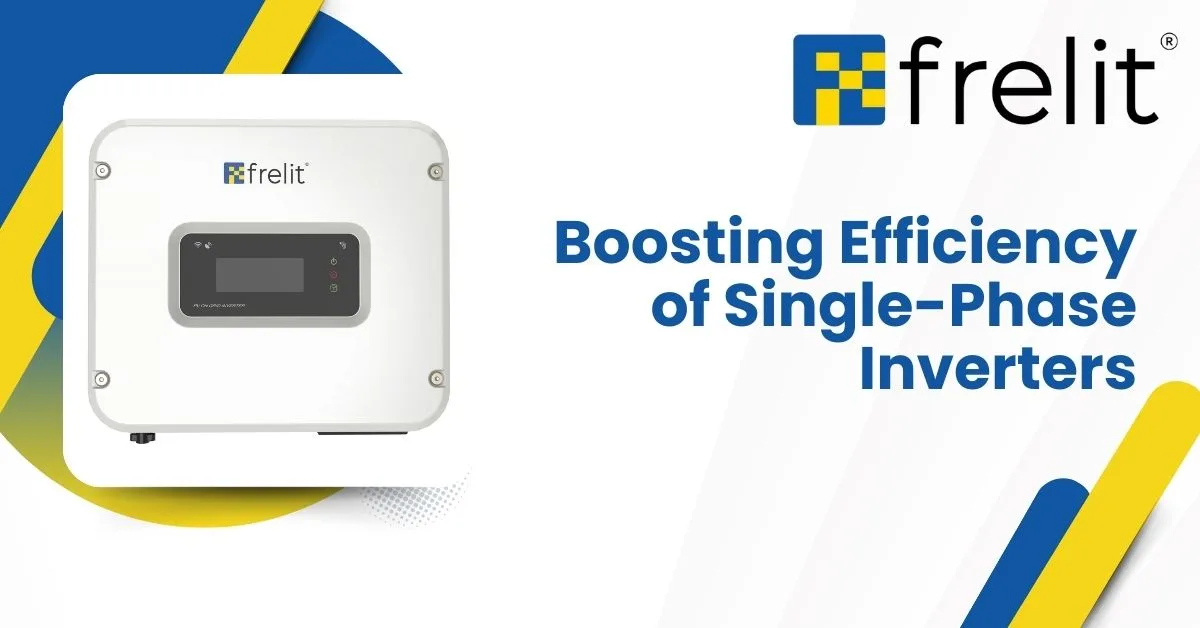
Improving solar performance is not only about installing high-quality panels; inverter efficiency plays an equally important role. In residential solar systems, Single Phase On-Grid Inverters are responsible for converting and managing power efficiently every day. By understanding how efficiency works and how to optimize it, homeowners can significantly increase energy output and long-term savings.
Improving Single-Phase Inverter Efficiency for Better Solar Output
Inverter efficiency directly affects how much solar energy is converted into usable electricity for daily consumption. Factors such as heat, voltage fluctuations, and system design can reduce performance over time. Single Phase On-Grid Inverters are widely used in residential solar systems because they offer high efficiency, stable grid synchronization, and minimal energy loss. When optimized correctly, these inverters help maximize solar generation and improve overall system reliability.
Single-Phase Inverter Efficiency Meaning and Basics
Inverter efficiency is expressed as a percentage that shows how effectively DC power from solar panels is converted into AC power. While peak efficiency represents ideal conditions, real-world performance depends on daily load variations and environmental factors. Single Phase On-Grid Inverters typically operate at weighted efficiency levels between 97% and 99%, making them highly suitable for residential rooftop solar installations.
Factors Affecting Single-Phase Inverter Efficiency
Several technical and environmental elements influence inverter performance and energy output over time.
Power Electronics Quality
High-quality internal components reduce conversion losses and improve durability. Single Phase On-Grid Inverters built with advanced power electronics maintain stable performance even under fluctuating load conditions.
MPPT Performance
Efficient MPPT technology ensures maximum energy extraction during changing sunlight conditions. Single Phase On-Grid Inverters with advanced MPPT algorithms perform better during partial shading and cloudy weather.
Temperature and Heat Dissipation
Excessive heat increases internal losses and reduces efficiency. Proper cooling allows Single Phase On-Grid Inverters to operate within safe temperature limits.
Grid Voltage Fluctuations
Unstable grid voltage can impact inverter output and efficiency. Single Phase On-Grid Inverters designed for wide voltage ranges handle such variations more effectively.
Installation and Cabling Losses
Incorrect cable sizing and layout increase power loss. Proper installation ensures Single Phase On-Grid Inverters deliver consistent energy output.
Best Ways to Boost Single-Phase Inverter Efficiency
Improving inverter efficiency involves both correct equipment selection and proper system design.
Choose High-Efficiency Inverter Technology
Selecting an inverter with high weighted efficiency ensures better real-world performance. Single Phase On-Grid Inverters with modern switching technology convert more solar energy into usable electricity.
Optimize Solar Panel-to-Inverter Sizing
Oversized or undersized inverters operate inefficiently. Balanced system design allows Single Phase On-Grid Inverters to work closer to their optimal operating range.
Ensure Proper Ventilation and Cooling
Installing the inverter in a shaded, well-ventilated area reduces thermal stress. Good airflow enables Single Phase On-Grid Inverters to maintain stable efficiency throughout the day.
Reduce Electrical Losses
High-quality DC and AC cables with proper thickness reduce resistance losses. Efficient wiring improves the overall performance of Single Phase On-Grid Inverters.
Use Smart Monitoring Systems
Real-time monitoring helps identify faults early. With proper diagnostics, Single Phase On-Grid Inverters can be maintained at peak efficiency year-round.
Role of MPPT in Improving Single-Phase Inverter Efficiency
MPPT technology plays a critical role in maximizing solar energy harvest. It continuously adjusts voltage and current to extract the highest possible power from panels. Single Phase On-Grid Inverters equipped with advanced MPPT systems perform efficiently even during partial shading and fluctuating weather conditions, resulting in higher annual energy generation.
Installation Impact on Single-Phase Inverter Efficiency
Correct installation significantly influences inverter performance and lifespan. Proper placement, earthing, and cable routing reduce unnecessary losses. Single Phase On-Grid Inverters installed according to best practices deliver higher efficiency and long-term reliability compared to poorly installed systems.
Single-Phase Inverter Efficiency
| Parameter | Low-Efficiency Setup | High-Efficiency Setup |
|---|---|---|
| Inverter Efficiency | 94–95% | 97–99% |
| MPPT Technology | Basic | Advanced MPPT |
| Heat Management | Poor ventilation | Optimized cooling |
| Power Loss | High | Minimal |
| Annual Energy Output | Lower | Higher |
This comparison clearly shows how design and component quality influence performance.
Maintaining High Efficiency of Single-Phase Inverters
Regular maintenance helps sustain inverter efficiency over time. Periodic inspections, firmware updates, and cleaning ventilation areas prevent performance degradation. Single Phase On-Grid Inverters require minimal maintenance, but routine checks ensure consistent energy output throughout their lifespan.
Ready to upgrade your inverter performance for better savings?
Contact Us to receive trusted assistance and expert recommendations.
Common Mistakes That Reduce Single-Phase Inverter Efficiency
Efficiency loss often results from avoidable errors such as improper sizing, inadequate ventilation, poor wiring quality, and lack of monitoring. Avoiding these mistakes ensures Single Phase On-Grid Inverters continue operating at optimal efficiency and deliver maximum savings.
Long-Term Benefits of High-Efficiency Single-Phase Inverters
High-efficiency inverters provide better energy generation, lower electricity bills, faster return on investment, and longer system life. Over time, Single Phase On-Grid Inverters with superior efficiency can significantly increase total energy savings for residential solar users.
Frequently Asked Questions
How can I boost the efficiency of a single-phase inverter?
Proper sizing, good ventilation, advanced MPPT technology, and regular monitoring help improve efficiency.
What is a good efficiency percentage for single-phase inverters?
An efficiency level between 97% and 99% is considered excellent for residential systems.
Does inverter size affect efficiency?
Yes, incorrect sizing can lead to higher losses and reduced performance.
How does temperature impact inverter efficiency?
High temperatures increase internal losses, making cooling and placement crucial.
How often should inverter efficiency be checked?
Efficiency should be monitored continuously and reviewed during annual maintenance.
Conclusion
Enhancing inverter efficiency is one of the smartest ways to improve solar system performance without increasing system size. With correct design, proper installation, and regular monitoring, Single Phase On-Grid Inverters can deliver reliable, high-efficiency performance and long-term energy savings for residential solar systems.